Ship smaller ocean freight consignments without paying for a full container. Orbis Freight manages LCL consolidation, pickup, documentation, customs coordination, ocean freight, deconsolidation, and final delivery through one accountable team.
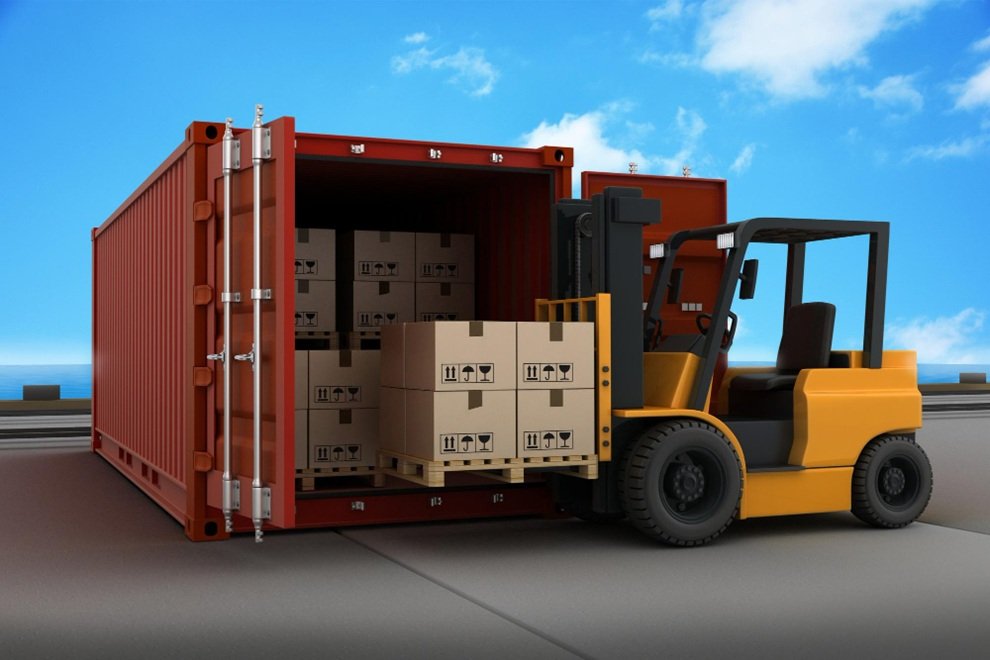
Less-Than-Container Load, or LCL, is an ocean freight solution where your cargo shares container space with shipments from other businesses. Instead of booking a complete container, you pay for the space your cargo uses, usually calculated by cubic meter (CBM), weight, origin, destination, and handling requirements.
LCL is ideal for importers, exporters, SMEs, and manufacturers that need international ocean freight without committing to a full 20ft or 40ft container. It offers a practical balance between cost control, shipment flexibility, and reliable global movement.
Small consignments, sample shipments, low-volume imports, e-commerce inventory, spare parts, textiles, packaging materials, consumer goods, and recurring shipments below full-container volume.
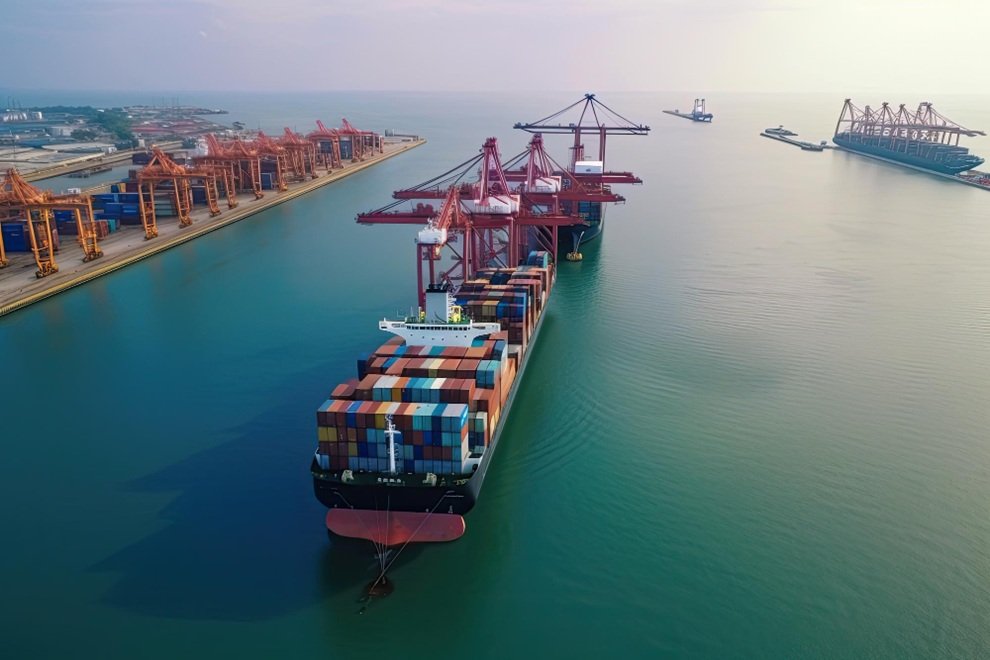
LCL helps you control logistics cost while keeping inventory moving across international trade lanes.
Share container space and avoid paying for unused capacity when your shipment is below full-container volume.
Move anything from a few cartons to multiple pallets without waiting until you have enough cargo for FCL.
Plan around regular LCL consolidation options across major ports and trade lanes.
We coordinate pickup, warehouse receiving, export handling, ocean freight, customs support, and delivery.
Ship smaller quantities more frequently to reduce overstocking, storage pressure, and cash tied up in inventory.
Get assistance with commercial invoices, packing lists, bills of lading, customs documents, and cargo details.
Send us your origin, destination, CBM, cargo weight, and cargo description. We will help you choose the most practical LCL route.
From warehouse receiving to destination delivery, we manage every important touchpoint in your LCL shipment.
We arrange consolidation of compatible cargo into shared containers through reliable consolidation networks and origin warehouses.
Coordinate supplier pickup, inland transport, ocean freight, destination handling, customs clearance, and final-mile delivery.
Efficient ocean movement between origin and destination ports for businesses that already manage pickup and delivery locally.
Combine cargo from multiple suppliers into one LCL or future FCL program to simplify imports and reduce shipment fragmentation.
Prepare and coordinate import/export documentation, HS code guidance, customs filing support, duties, and compliance steps.
Protect goods in transit with optional cargo insurance and guidance on packaging, handling risk, and shipment documentation.
LCL and FCL both move cargo by ocean container, but the right option depends on volume, timeline, budget, and handling requirements.
| Factor | LCL Shipping | FCL Shipping |
|---|---|---|
| Best for | Small to medium shipments that do not fill a container | High-volume shipments needing dedicated container space |
| Pricing basis | Usually based on CBM, weight, route, and handling charges | Container rate for 20ft, 40ft, or 40ft High Cube |
| Cargo handling | More handling due to consolidation and deconsolidation | Fewer touchpoints because the container is dedicated |
| Transit planning | May include consolidation cut-off and destination unpacking time | Often simpler routing once the container is loaded and sealed |
| Cost efficiency | Better for lower volumes | Better when cargo volume justifies a full container |
A clear process helps reduce delays, avoid documentation gaps, and keep your shipment moving.
We review origin, destination, cargo type, CBM, weight, and delivery timeline.
Cargo is picked up or delivered to the consolidation warehouse before cut-off.
Your cargo is measured, documented, consolidated, and loaded with compatible shipments.
The shared container moves by ocean carrier with shipment updates and documentation support.
At destination, cargo is unpacked, cleared, and delivered or released.
Correct documentation is essential because LCL cargo shares container space and must be clearly identifiable at consolidation and deconsolidation points.
Commercial invoice, packing list, shipper’s letter of instruction, bill of lading instructions, certificate of origin when applicable, cargo details, HS code information, and commodity-specific permits or declarations.
Our team helps review the document flow so cargo details, weights, dimensions, marks, and descriptions remain consistent across shipment paperwork.
Defines buyer, seller, value, currency, goods description, and transaction terms.
Shows package count, dimensions, gross/net weight, marks, and packaging details.
Used to issue transport documentation and identify cargo, shipper, consignee, and routing.
Send your cargo dimensions and expected shipment frequency. We will help compare LCL and FCL options based on cost, speed, and handling risk.
LCL means Less-Than-Container Load. It is an ocean freight service where your cargo shares container space with shipments from other businesses instead of using a dedicated full container.
LCL pricing is commonly based on cargo volume in cubic meters (CBM), weight, origin and destination charges, route, commodity type, and applicable customs or handling fees.
Choose LCL when your shipment is too small to justify the cost of a full container, when you want to ship smaller quantities more frequently, or when you are testing a new supplier or market.
LCL can take longer than FCL because cargo must be consolidated at origin and deconsolidated at destination. The exact timing depends on route, cut-off dates, carrier schedule, customs, and destination handling.
Yes. Orbis Freight can coordinate pickup, consolidation, ocean freight, customs clearance support, destination handling, and final delivery based on your shipment requirements.
Get a practical LCL quote with clear routing, consolidation guidance, and end-to-end shipment support.