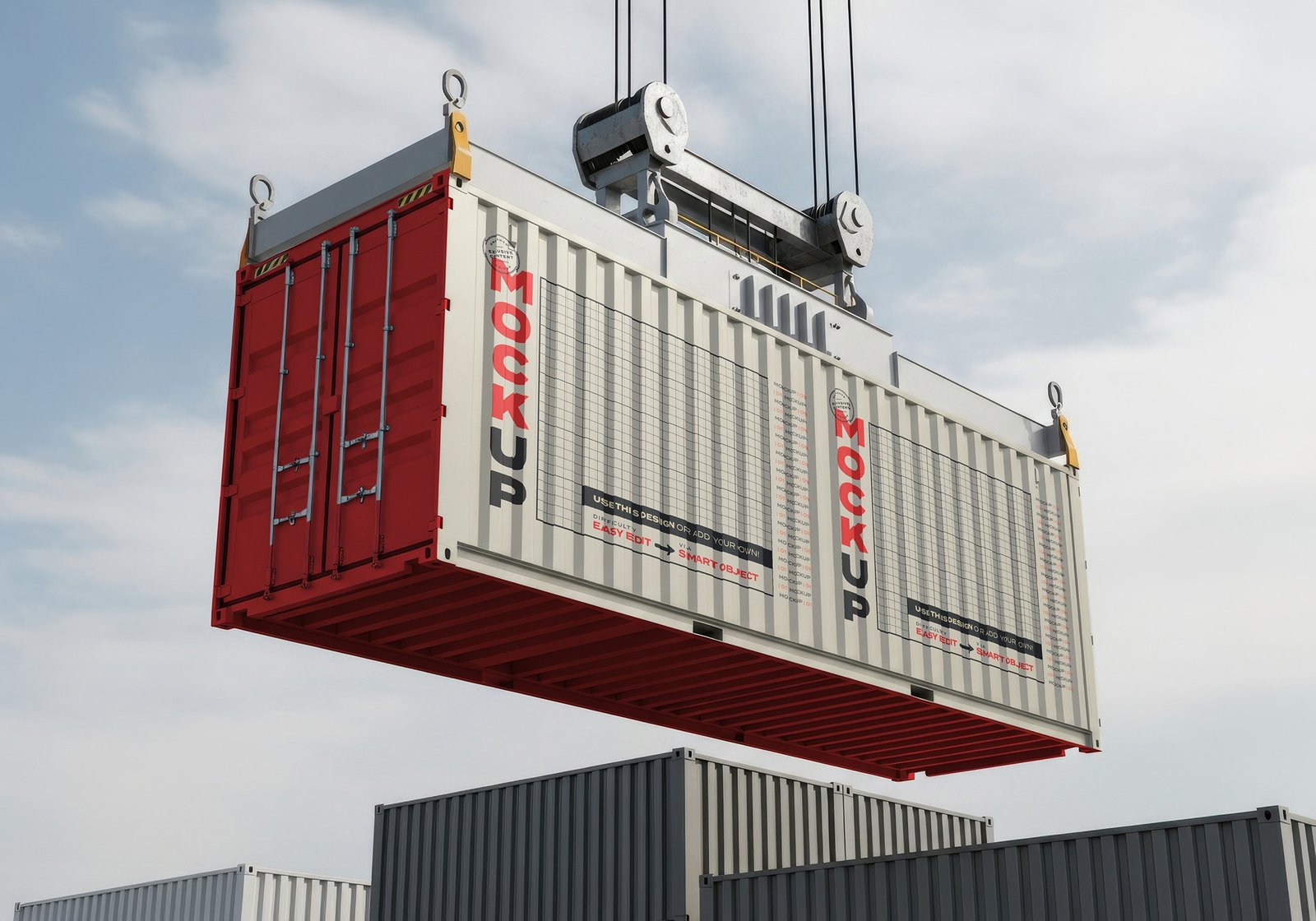
Move high-volume cargo with dedicated 20ft, 40ft, and 40ft High Cube containers. Orbis Freight manages container booking, pickup, documentation, customs coordination, ocean freight, and final delivery through one accountable team.
Full Container Load, or FCL, is an ocean freight solution where one shipper uses an entire container for its cargo. The container does not need to be filled completely, but the space is booked and charged as a full container.
FCL is ideal for manufacturers, exporters, importers, and procurement teams that need better security, fewer cargo touchpoints, faster routing than consolidated cargo, and lower unit costs at scale.
Bulk inventory, machinery, auto parts, textiles, consumer goods, industrial equipment, packaging materials, and recurring import/export programs.
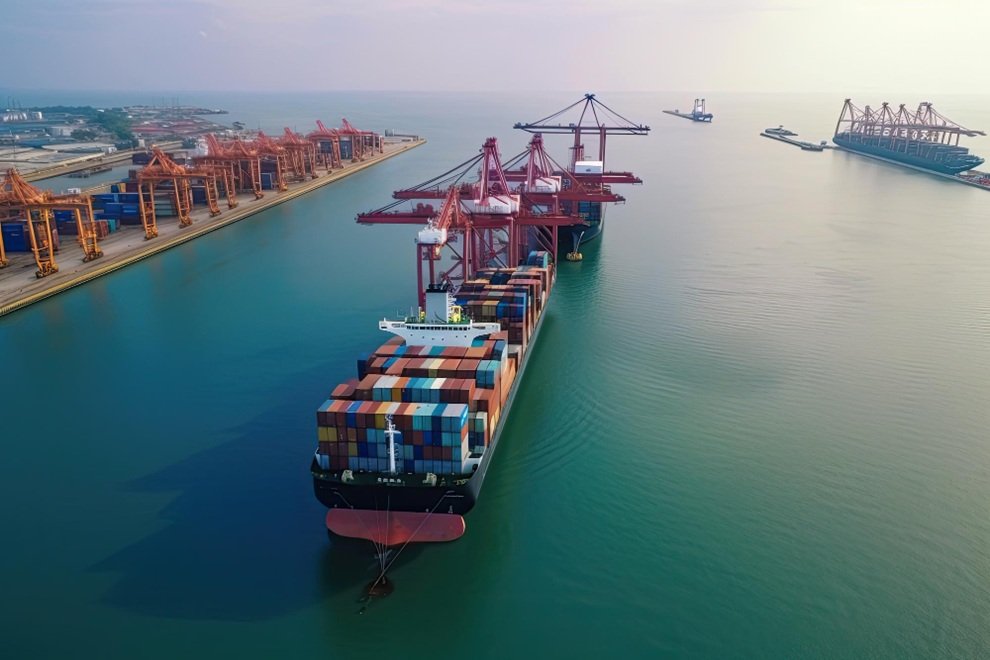
FCL gives your business dedicated container space, improved cargo integrity, and more predictable shipment planning.
Your goods travel in a container booked for your shipment, not mixed with other importers’ cargo.
Choose the right container type based on cargo volume, weight, dimensions, and route availability.
Container bookings, vessel schedules, cut-off dates, and documentation timelines are managed in advance.
We coordinate commercial invoice, packing list, bill of lading, HS classification support, and clearance handoffs.
Factory pickup, port handling, ocean freight, import clearance, drayage, and warehouse delivery can be bundled.
Support for India, China, Canada, USA, Middle East, and other key manufacturing and distribution corridors.
Actual payload and usable capacity can vary by carrier, equipment type, route, and cargo regulations. Our team helps validate the right container before booking.
| Container Type | Best For | Typical Use Case | Planning Notes |
|---|---|---|---|
| 20ft Standard | Heavy cargo | Metals, machinery parts, tiles, dense goods | Good for weight-heavy shipments where cube space is less important. |
| 40ft Standard | Higher volume cargo | Textiles, cartons, consumer goods, furniture | Often used when cargo needs more space rather than higher weight capacity. |
| 40ft High Cube | Tall or bulky cargo | Lightweight bulk, packaging, furniture, equipment | Extra height supports more cubic volume for suitable cargo. |
| Special Equipment | Temperature-sensitive or oversized cargo | Reefer, open-top, flat rack, OOG cargo | Requires early planning because equipment availability can be route-dependent. |
Get routing options, container guidance, and quote support from Orbis Freight’s ocean freight team.
From cargo planning to final delivery, we keep every milestone clear and accountable.
We review cargo details, dimensions, Incoterms, route, required timeline, and container requirements.
We secure container space, confirm vessel schedules, and communicate cut-off dates.
Cargo is collected from origin, loaded into the container, and sealed for transit.
Bill of lading, commercial invoice, packing list, and clearance documents are coordinated.
We support destination clearance, port release, drayage, and final warehouse delivery.
Choose FCL when your shipment volume is large enough to justify a dedicated container, when cargo security is a priority, or when avoiding consolidation/deconsolidation delays matters.
LCL can be useful for smaller shipments, but it involves shared container space and more cargo handling. FCL is often more economical at scale and gives your team better control over scheduling.
Your cargo volume is high, cargo needs better security, you need direct movement with fewer touchpoints, or you want better cost per unit for repeat shipments.
Your shipment is smaller, not urgent, and does not justify paying for a dedicated container.
We support shipment planning for businesses that need repeatable, containerized import and export operations.
Raw materials, components, finished goods, machinery, and packaging supply chains.
Parts, assemblies, components, tires, tools, and industrial supplies.
Cartons, fabric rolls, garments, accessories, and seasonal inventory programs.
High-volume imports requiring container-level visibility and predictable cost control.
Machinery, spare parts, project cargo support, and special equipment planning.
Non-perishable cargo, packaging materials, reefer planning, and route coordination.
Send us your cargo dimensions, weight, and destination. We’ll help identify the practical container option for your route.
Answers to common questions about FCL ocean freight, container options, and documentation.
FCL stands for Full Container Load. It means cargo is shipped in a container booked for one shipper, rather than sharing container space with cargo from multiple shippers.
No. FCL means you book the whole container space. The cargo may not fill the container completely, but the container is still reserved for your shipment.
20ft containers are often used for dense or heavy cargo. 40ft and 40ft High Cube containers are typically used for higher-volume or bulky cargo. The best option depends on cargo dimensions, weight, route, and equipment availability.
FCL is usually better for larger shipments, cargo that needs fewer handling points, and businesses looking for improved security and schedule control. LCL may be better for smaller shipments that do not justify a full container.
Yes. Orbis Freight can coordinate pickup, export handling, container booking, ocean freight, import clearance support, drayage, and final delivery.
Common documents include commercial invoice, packing list, bill of lading, certificate of origin when required, and import/export permits or compliance documents depending on the cargo and destination.
Move your cargo with a freight partner that understands container shipping, documentation, customs coordination, and destination delivery.